

Why Should Municipalities Invest in Padel Courts?
According to the 2026 Global Padel Report, 19.4 million people play padel worldwide, and almost 7,900 new courts were built in 2025 alone., and its impact goes far beyond the court. For sports clubs, investors and facility operators, padel courts attract new members, generate additional revenue and strengthen ties with the local community. These are the 10 benefits that make padel a smart addition to any sports facility, hotel or residential project.
The following arguments illustrate the benefits that Padel can offer to cities and municipalities:
10 benefits of padel for cities and municipalities
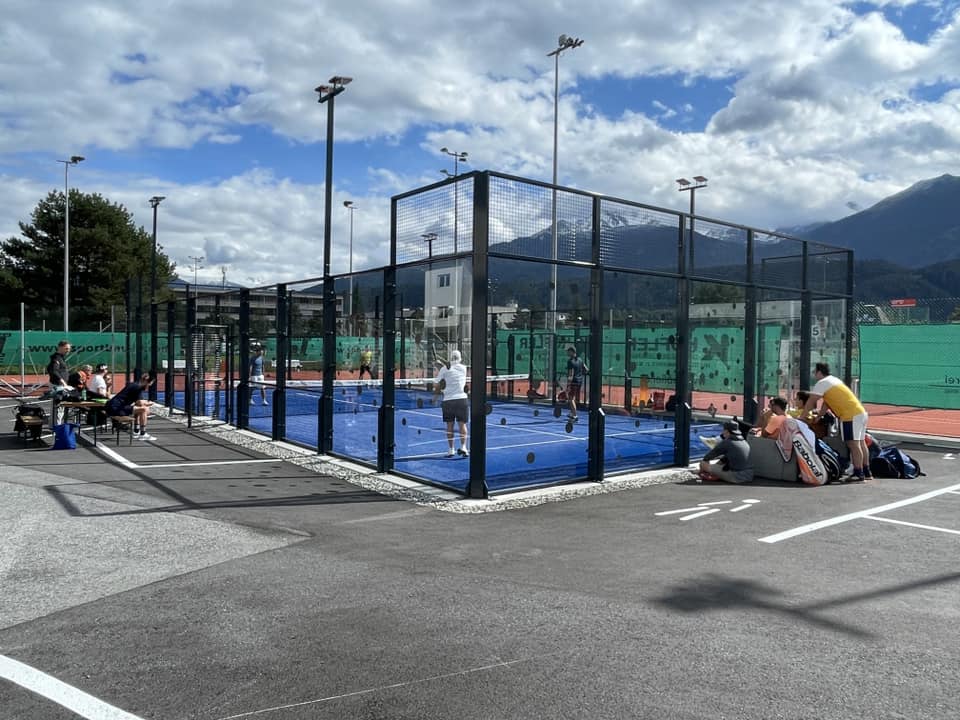
1. Health Promotion and Recreational Offering
Padel promotes physical activity and provides an attractive recreational option for all age groups. It is an easy-to-learn sport that appeals to both young and old, contributing to the overall health of the population.
2. Social Interaction and Community Building
Padel is a team sport that fosters social interaction. It strengthens the sense of community and offers a platform for citizens from diverse backgrounds to connect and build social bonds.
3. Inclusive Sport
Padel is highly suitable as an inclusive sport because it can be played by people with varying abilities. The barriers are low, and the sport can be easily adapted to meet the needs of individuals with physical or mental disabilities. This promotes integration and creates inclusive communities. (see also Padel for people with special needs)
4. Senior-Friendly
Padel is also well-suited for seniors, as it is less demanding on joints and muscles compared to many other sports, allowing older adults to stay active. Participation in Padel supports the physical and mental health of seniors, improves mobility, and helps prevent social isolation.
5. Tourism Promotion
Padel is growing in popularity, both nationally and internationally. A modern Padel facility can serve as an attraction for tourists and sports enthusiasts, boosting local tourism and stimulating the economy.
6. Enhancing the City’s Appeal
The construction of Padel courts can increase the city’s attractiveness, particularly for younger demographics, families, and seniors. It can also serve as an incentive for new residents to settle in the city or for businesses to view the city as an appealing location.
7. Economic Benefits
Building and operating Padel facilities create jobs and can generate additional revenue for local businesses such as sporting goods stores, restaurants, and hotels. Renting out courts and organizing tournaments can also become additional income sources.
8. Sustainability and Environmental Friendliness
Modern Padel facilities can be designed to be environmentally friendly by using sustainable materials and energy-efficient lighting. Additionally, Padel requires relatively little space compared to other sports, allowing for efficient use of urban areas.
9. Youth Sports Development
Padel can also contribute to the development of youth sports in the city by being integrated into school and leisure programs. This supports the athletic development of young people while promoting discipline and teamwork.
10. Low Entry Barriers
The cost of playing Padel is relatively low compared to other sports, making it easily accessible to people from all social backgrounds.
By emphasizing these benefits, municipalities and building authorities can better understand the value that Padel brings to their city, increasing the likelihood of project support.
What these benefits mean for your padel project
a) For sports clubs
Padel attracts new members across all age groups, makes better use of existing space and adds a new source of income through court rentals, coaching and tournaments.
b) For investors and operators:
A padel court needs around 200 m² of playing area – one tennis court usually fits two padel courts. That combination delivers high occupancy and a strong occupancy potential.
c) For hotels, resorts and residential projects:
Padel courts add a modern, sociable amenity that increases guest satisfaction and property appeal.
d) For your community:
Each of these benefits also strengthens your case when you talk to local stakeholders, partners or sponsors. Padel is a sport that brings people together.
Planning a padel project? Contact us for a tailored court proposal.